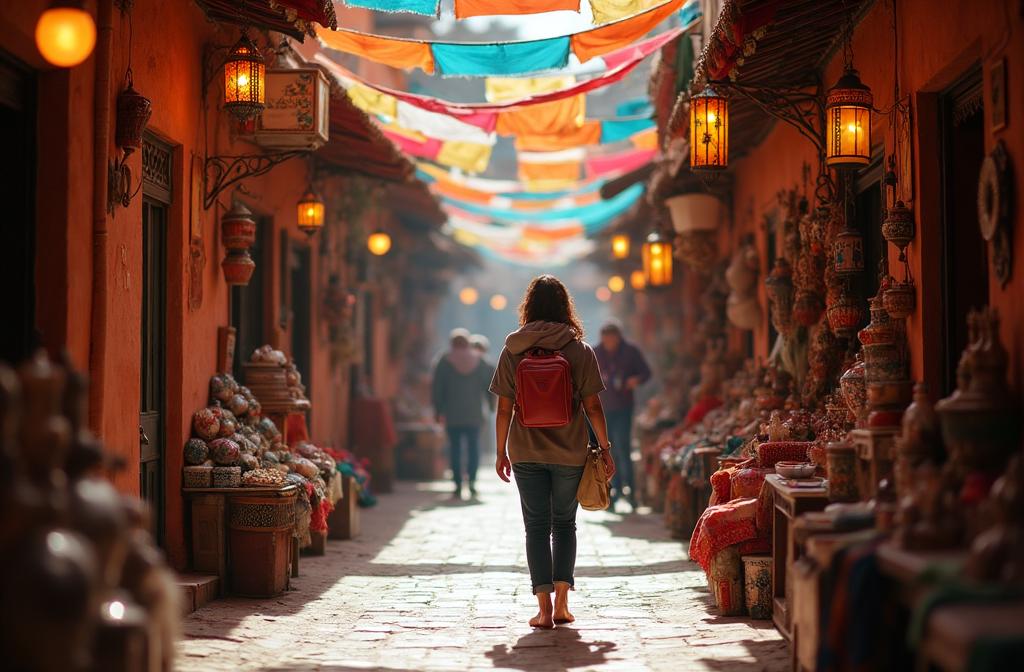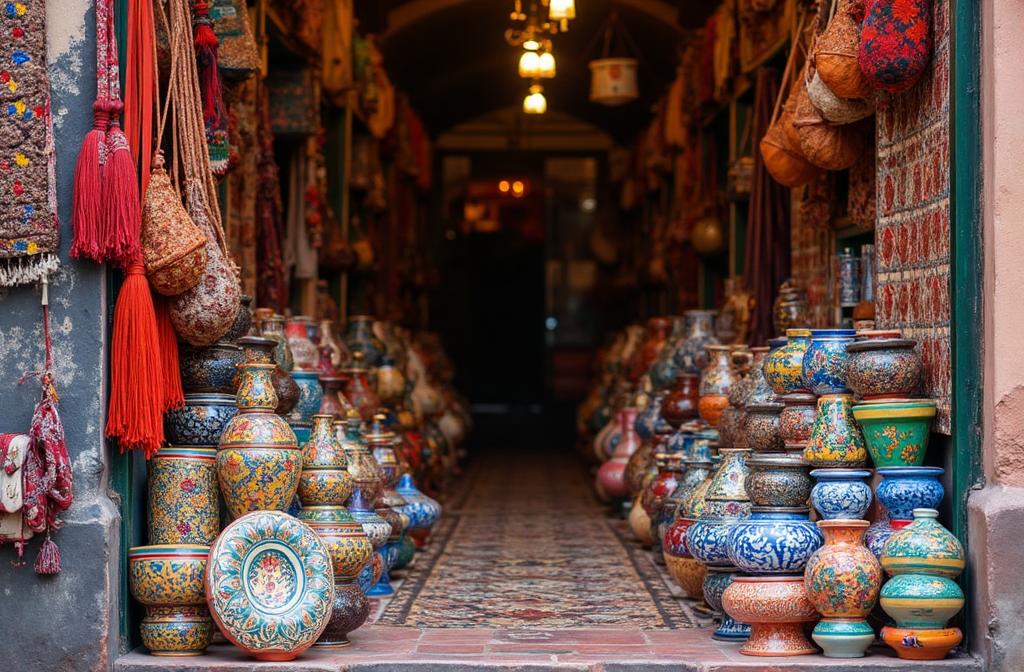
🏛️ Moroccan architecture is among the most distinctive and beautiful in the world, blending Berber, Arab, Andalusian, and French influences into a unique aesthetic language. Understanding these architectural elements enhances every visit to Morocco's cities and monuments.
🏠 The Riad
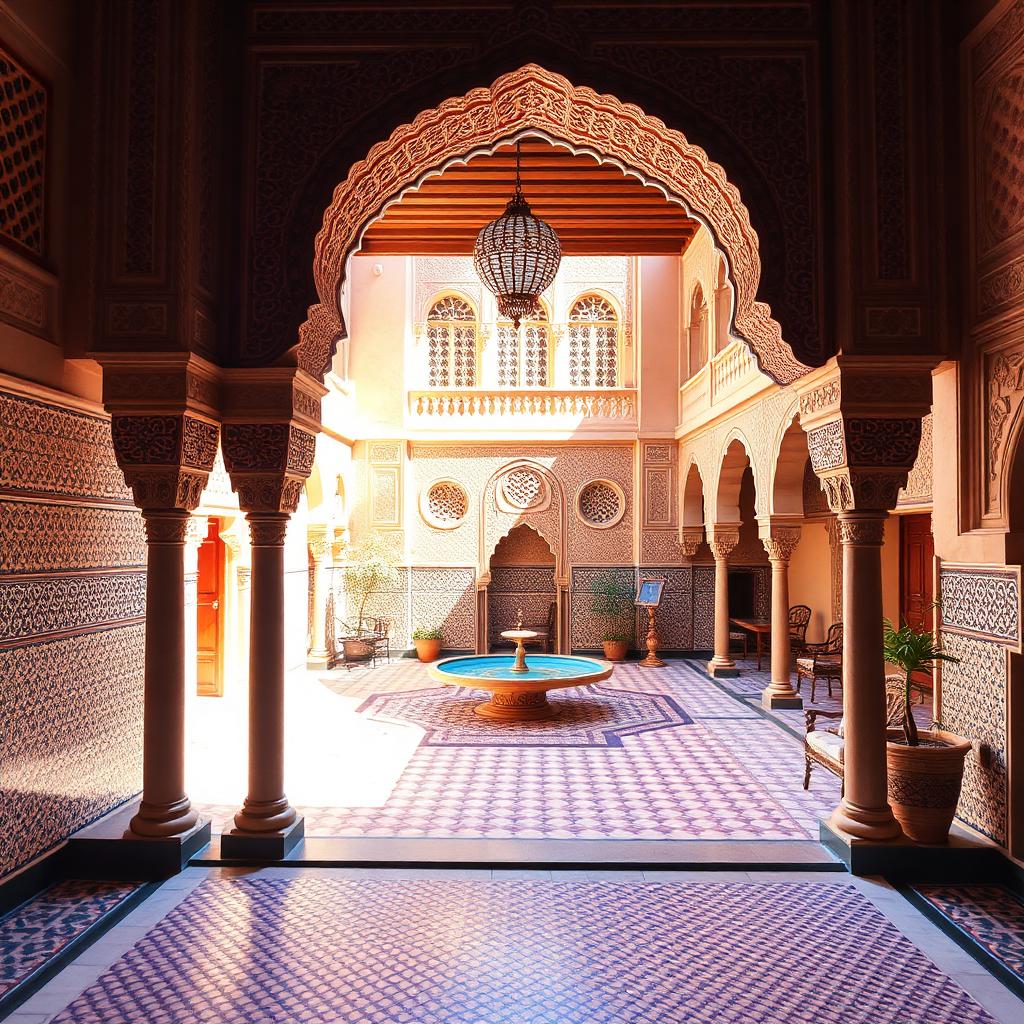
The traditional Moroccan townhouse is built around a central courtyard with a fountain, creating a private oasis hidden behind plain exterior walls. This inward-focused design reflects Islamic values of privacy and family. Today, many riads have been converted into boutique hotels.
🎨 Zellige Tilework
The intricate geometric mosaics that cover walls, fountains, and floors are made from hand-cut ceramic pieces arranged into complex mathematical patterns. Master zellige craftsmen (maalems) in Fes train for years to perfect this art.
✨ Muqarnas & Stucco
The honeycomb-like vaulting (muqarnas) seen in mosques and palaces creates a mesmerizing three-dimensional effect. Combined with carved plaster (stucco) featuring floral and geometric motifs, these elements create interiors of extraordinary beauty.
🏰 Kasbahs & Ksour
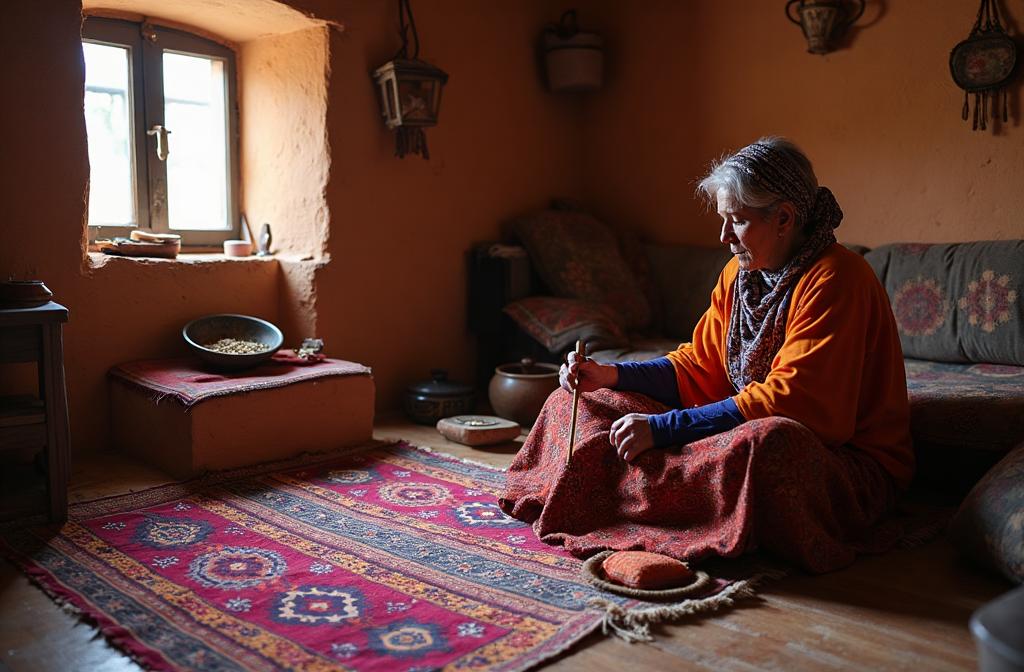
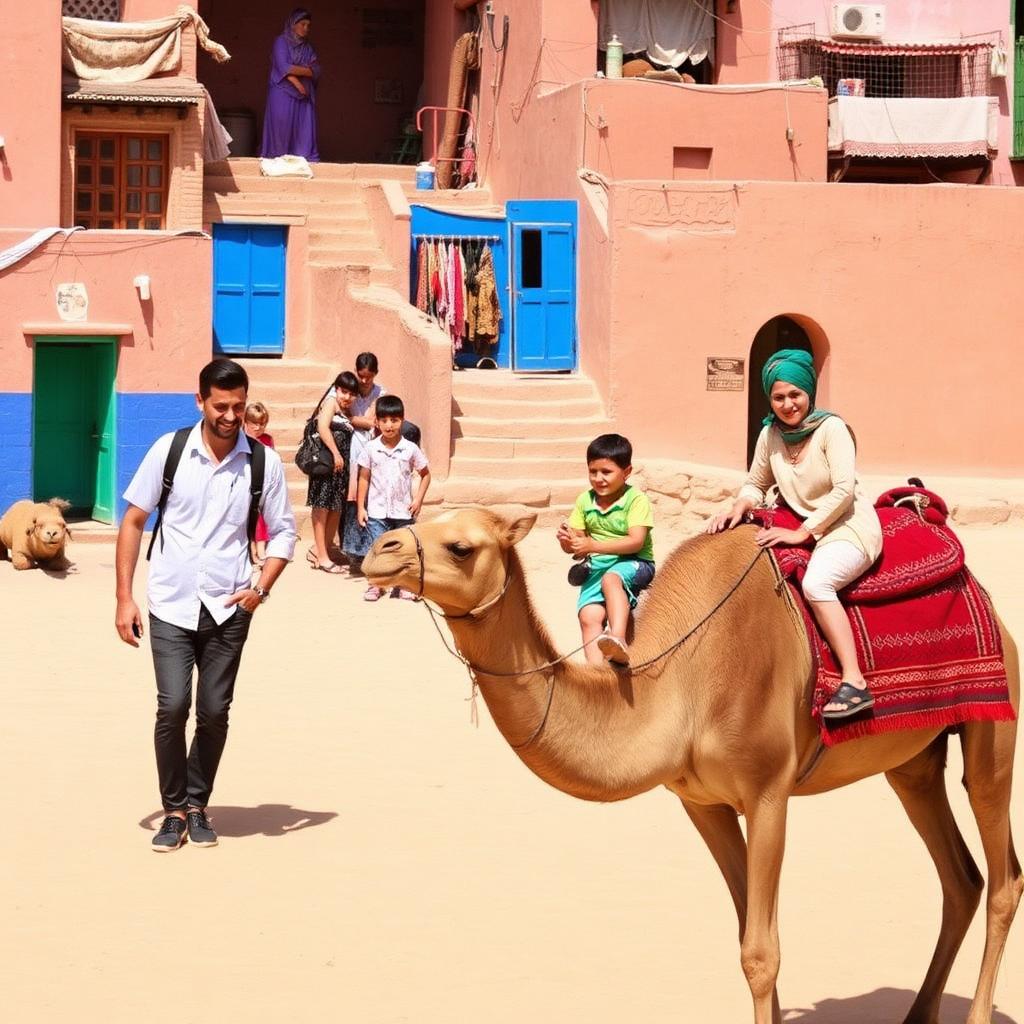
The fortified structures of southern Morocco are built from pisé (rammed earth), giving them their distinctive terracotta color. They represent a unique architectural response to desert climate and defense needs.
🏙️ French Colonial & Art Deco
The 'Ville Nouvelle' districts of cities like Casablanca, Rabat, and Fes showcase stunning Art Deco and Mauresque (a blend of French Art Deco and Moroccan motifs) architecture from the protectorate era.