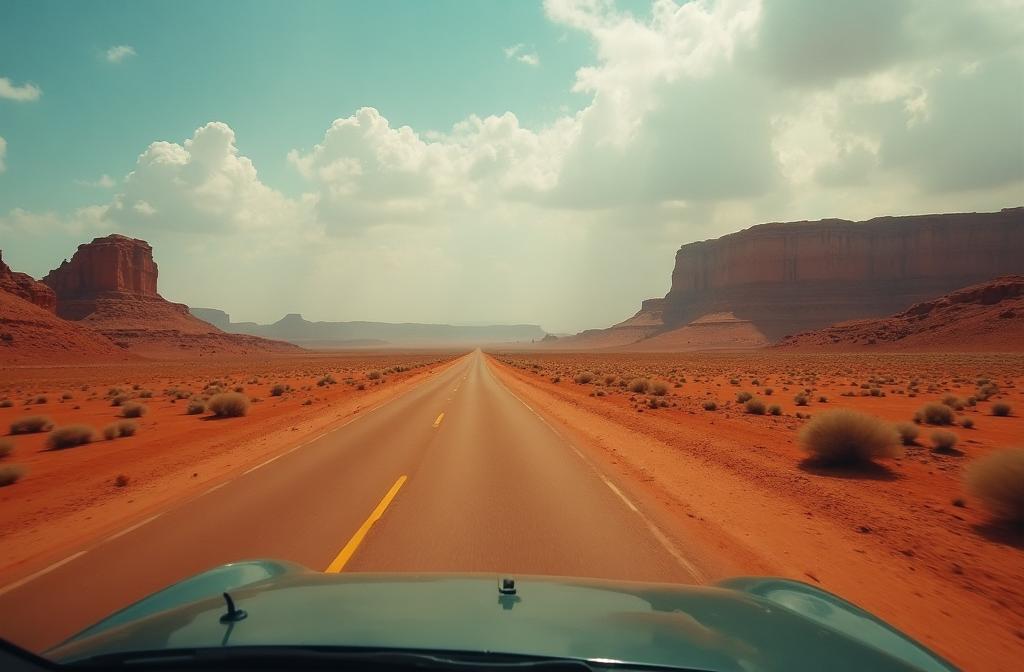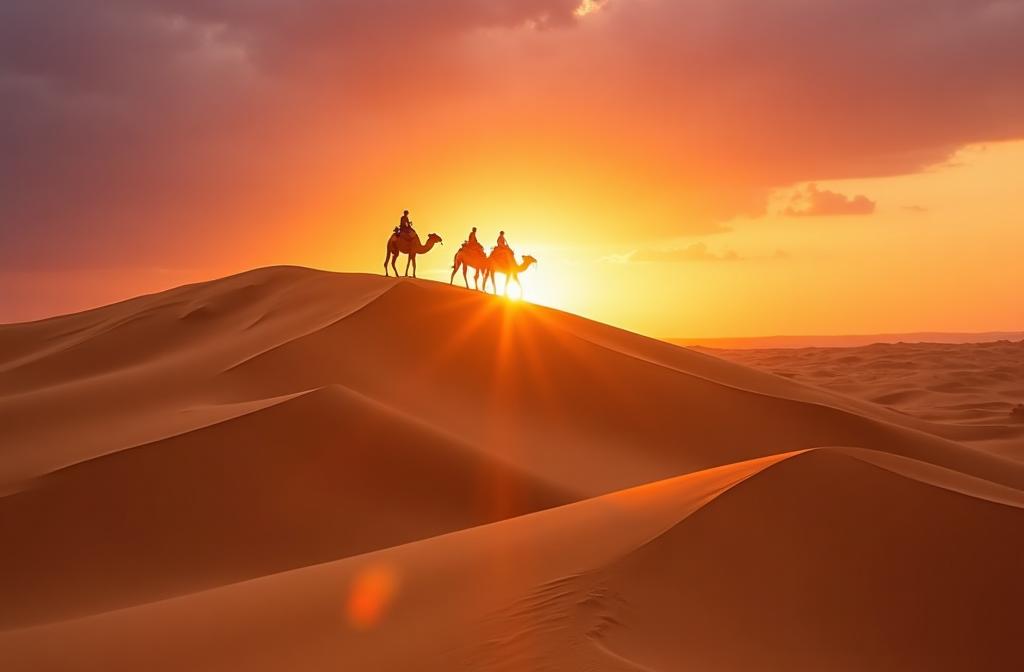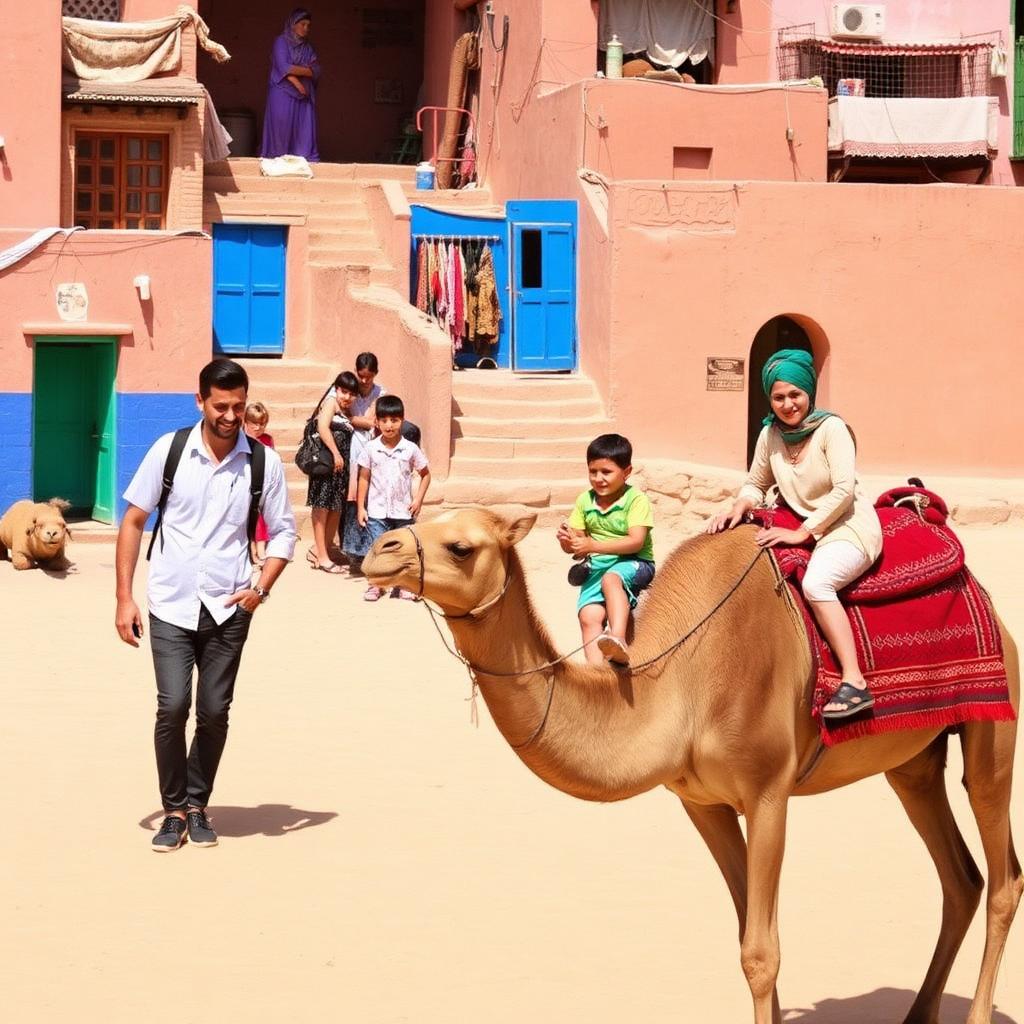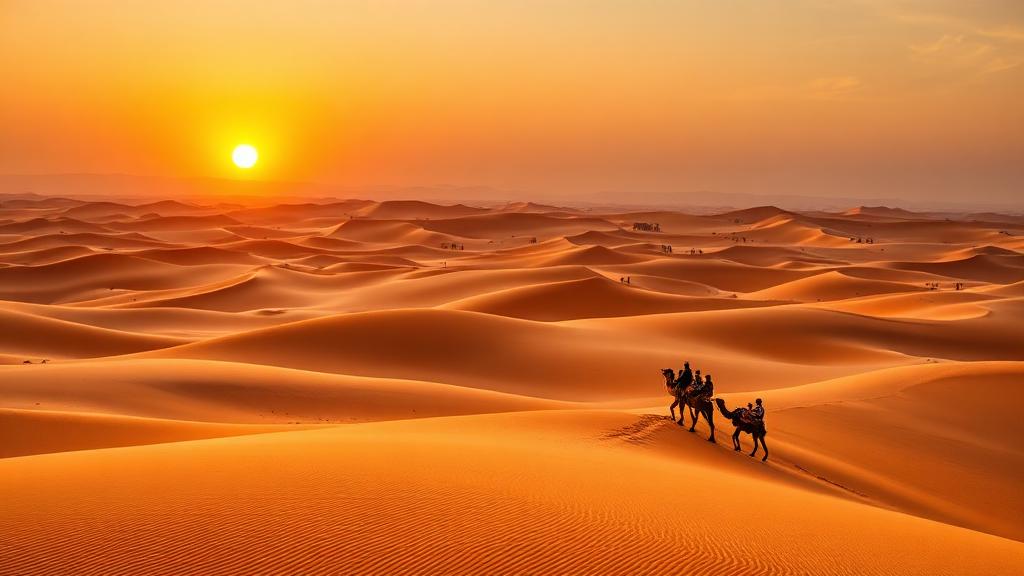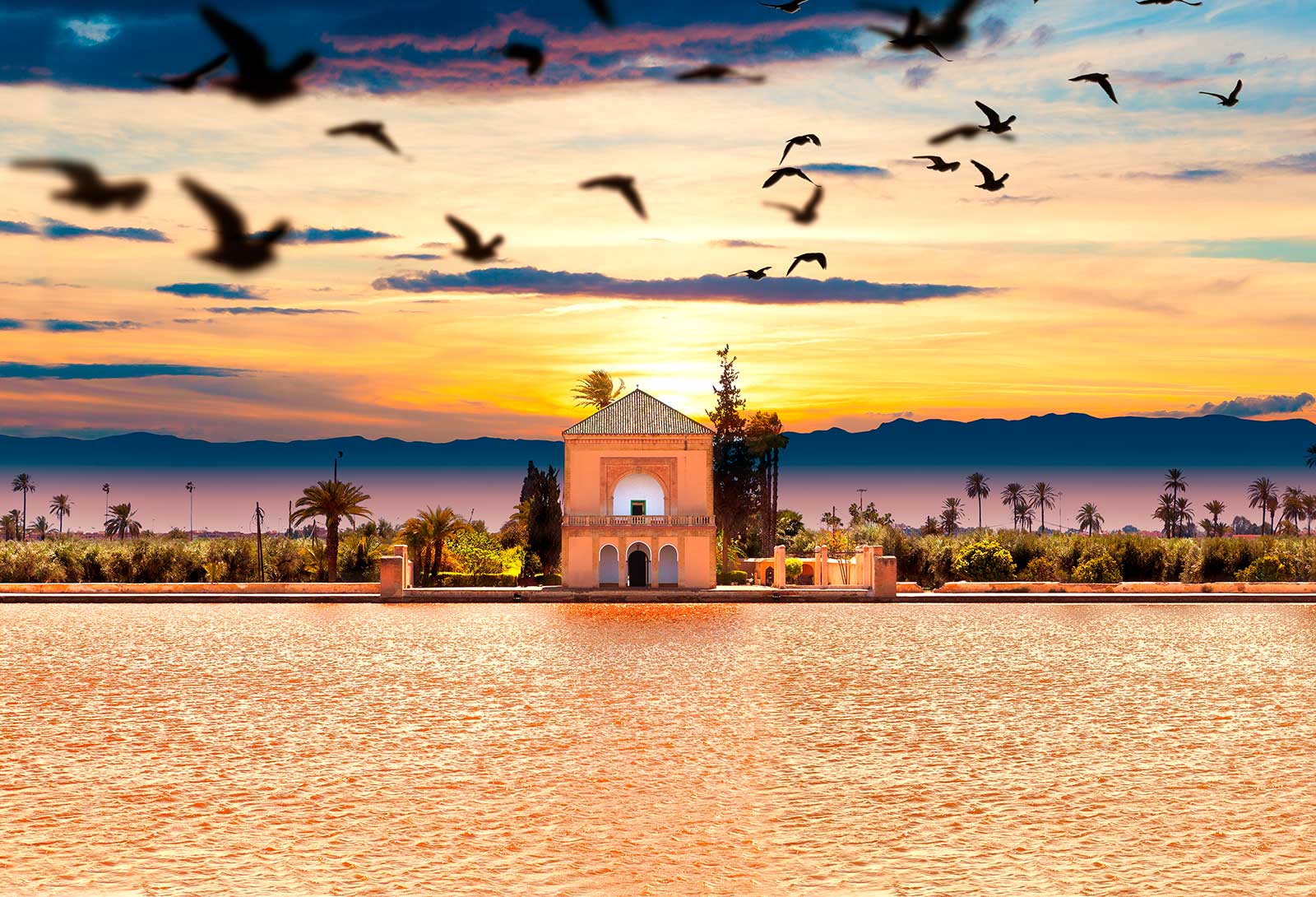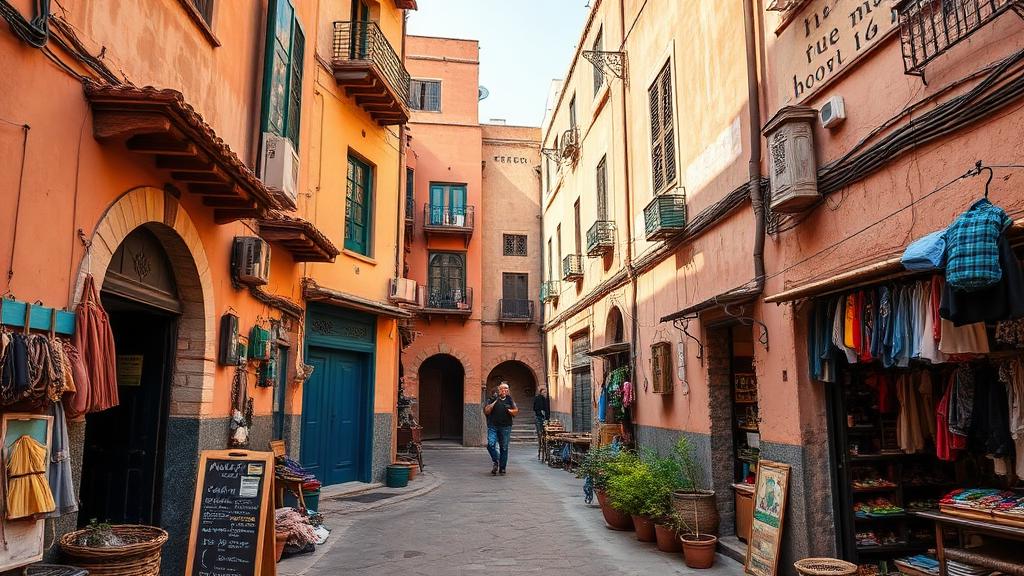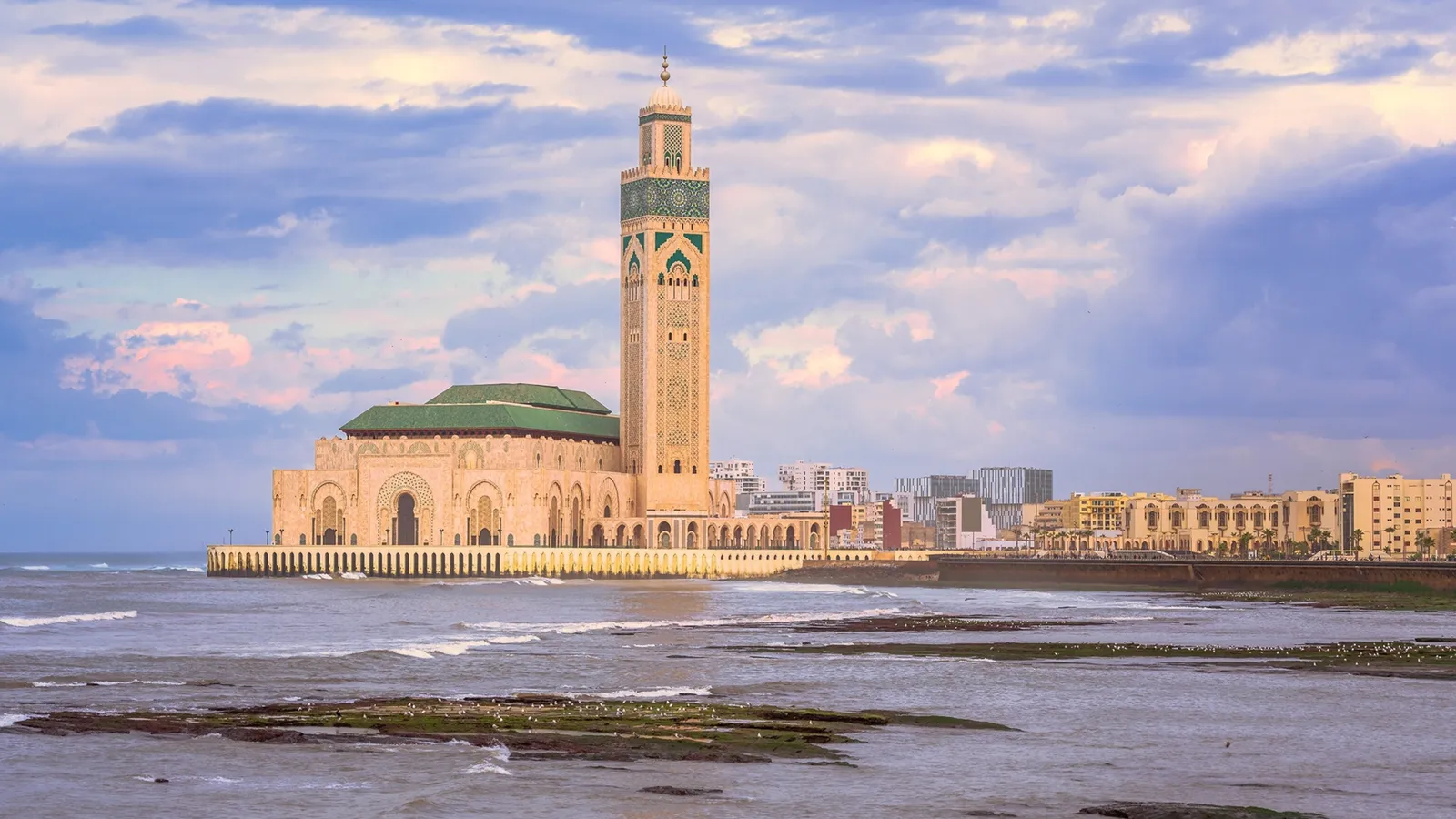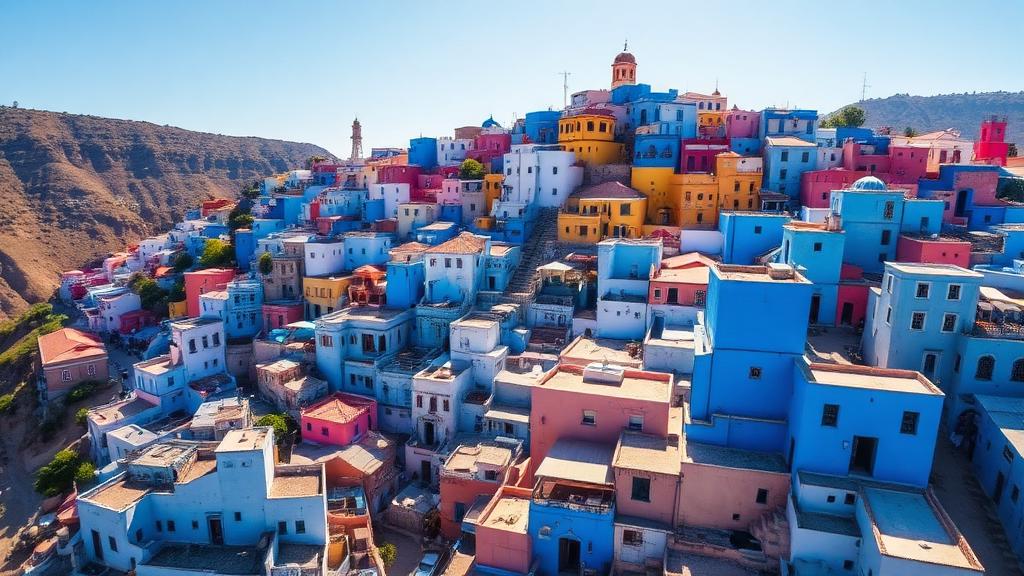
🚗 Driving in Morocco is one of the best ways to experience the country's incredible diversity. From coastal highways to mountain passes and desert tracks, the roads offer unforgettable scenery. Here's everything you need to know for a safe and enjoyable road trip.
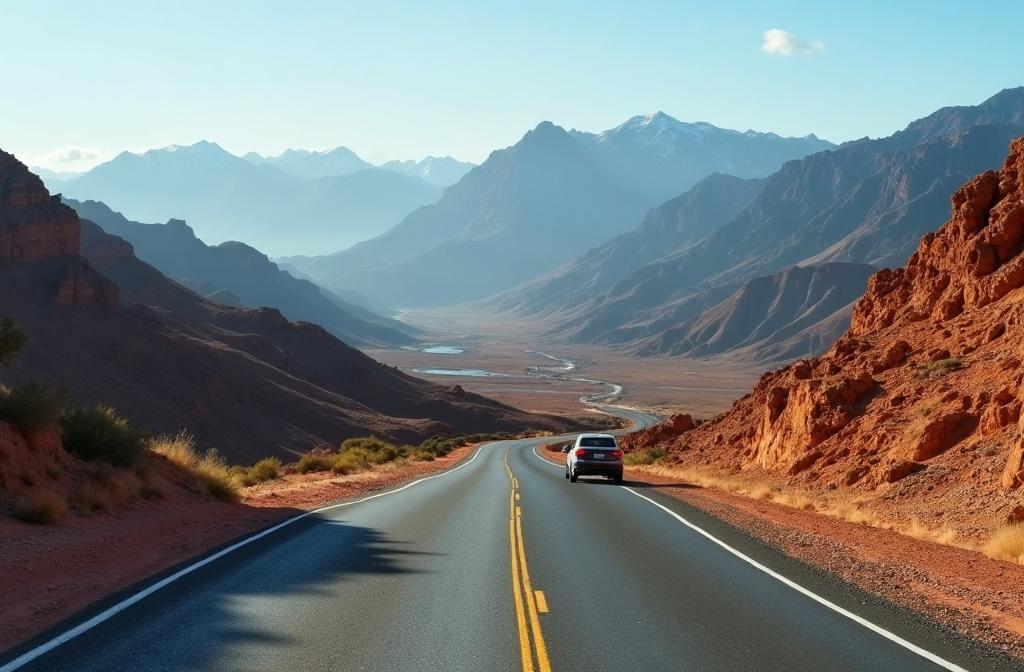
🛣️ Road Conditions
Morocco's main highways (autoroutes) are excellent — modern, well-maintained, and toll-based. The A1 from Tangier to Agadir is the main north-south route. National roads (routes nationales) vary in quality but are generally good. Mountain and rural roads can be narrow and winding.
⚡ Speed Limits & Rules
Speed limits are 120 km/h on autoroutes, 100 km/h on national roads, and 40-60 km/h in towns. Seatbelts are mandatory, and police checkpoints are frequent. Always carry your license, rental agreement, and passport.
⛽ Fuel & Stops
Fuel stations are plentiful on main routes but can be scarce in remote areas. Always fill up before heading into the mountains or desert. Most stations accept cash; some accept cards.
🌙 Night Driving
Avoid driving at night if possible, especially in rural areas. Unlit vehicles, pedestrians, and animals on the road are common hazards. If you must drive at night, take extra caution.
🅿️ Parking
In cities, look for guarded parking lots (indicated by blue lines and an attendant). A small tip of 5-10 MAD is standard. Never leave valuables visible in the car.
Renting with OLIVIANA CAR
We provide full briefings on local driving conditions, GPS navigation, and 24/7 roadside assistance. Our well-maintained fleet ensures you travel safely across Morocco.